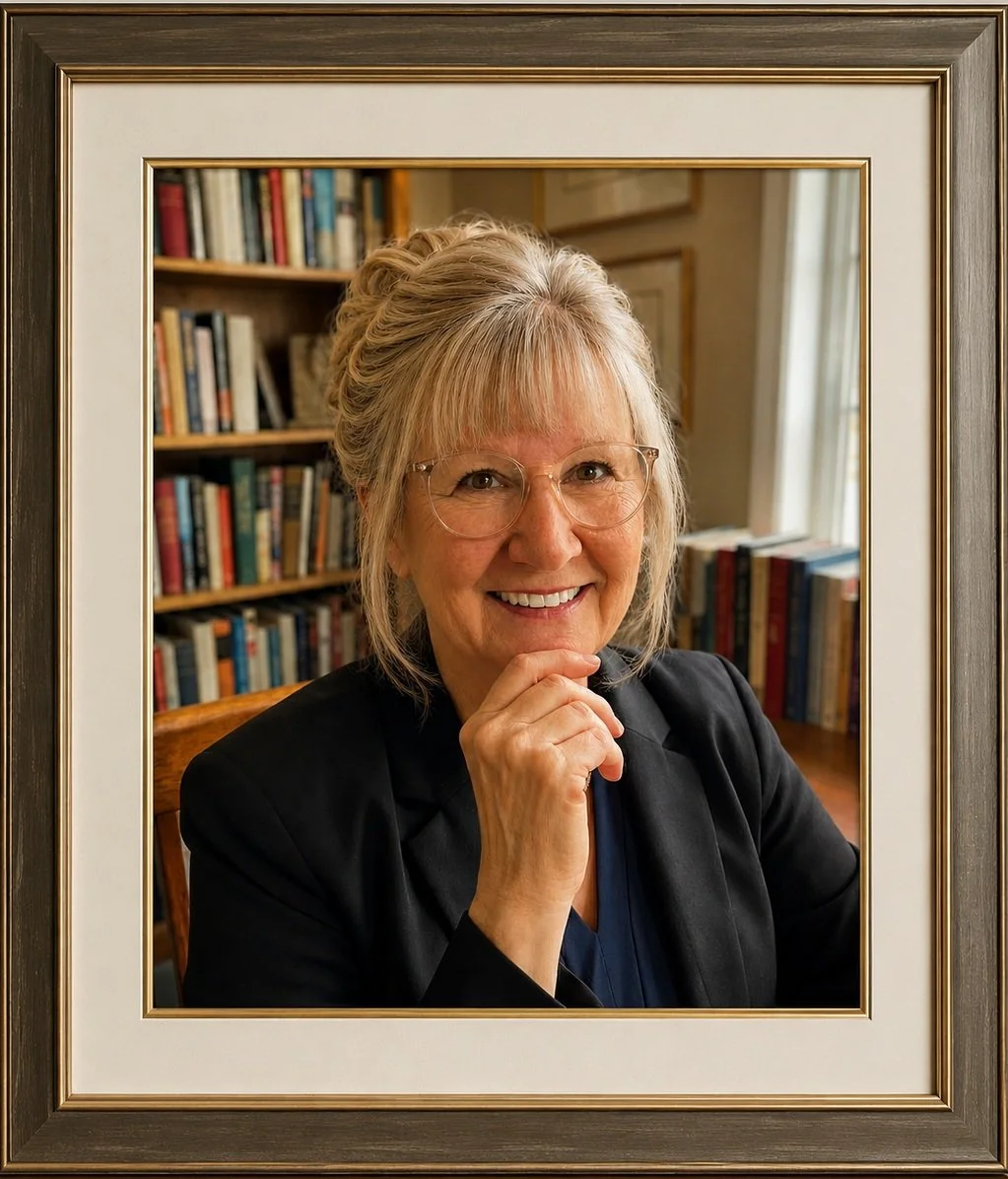
Linda Storm, MA, RP, CT, CCC

  • My path to psychotherapy was not linear. Before entering clinical practice, I spent years as a Business Analyst and Software Solution Architect.

    Why this matters for your therapy: I understand systems. I understand how a single broken line of code can crash an entire application. The human mind operates similarly.

    When you describe the pressure of a boardroom, the logic of a workflow, or the chaos of a failed project, I understand the context immediately. You do not need to waste your session explaining the corporate environment. We can focus entirely on how you survive within it.

    I view you not as "broken," but as a highly complex system operating in an environment that was not built for your specifications

  • The evolution from Solution Architect to Psychotherapist was driven by a recognition that human systems are as complex as digital ones. Years were spent analyzing business requirements and designing architectural solutions. This technical background now serves a clinical purpose. The ability to see the "architecture" of a problem, beyond just the surface symptoms, is applied to your mental health. The logic, pressure, and language of your professional life are already understood. This shared language creates a shortcut in therapy. Time is not wasted explaining your work context; instead, the focus is placed entirely on how your internal system survives within it.

  • The practice is grounded in rigorous academic standards and regulated professional accountability. The following designations verify the clinical qualifications held:

    • MA: Master of Arts in Counselling Psychology

    • RP: Registered Psychotherapist

    • CT: Counselling Therapist

    • CCC: Canadian Certified Counsellor

    Doctoral Research & Collegial Work Advanced clinical analysis is currently being pursued through the Doctor of Counselling and Psychotherapy (DCP) program. This doctoral work involves active engagement in collegial research, peer review, and the study of advanced psychodynamic systems. The focus is placed on integrating complex diagnostic frameworks (such as the PDM-2) into practical therapeutic settings for neurodivergent affirming care.